
iSleep / sleep medicine / a HIPAA-grade platform, the brand, the cloud / me
I built a HIPAA-grade platform, the brand around it, and the cloud under all of it for iSleep. By myself.
It’s all me though.

11 wks
first commit to production
5,955
test cases I wrote and kept green
100%
Sonar + security scores
1
operator on the whole thing
The thing, running.
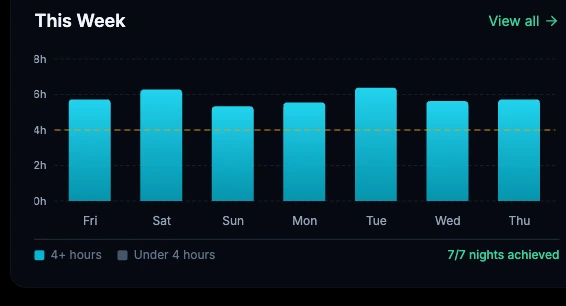
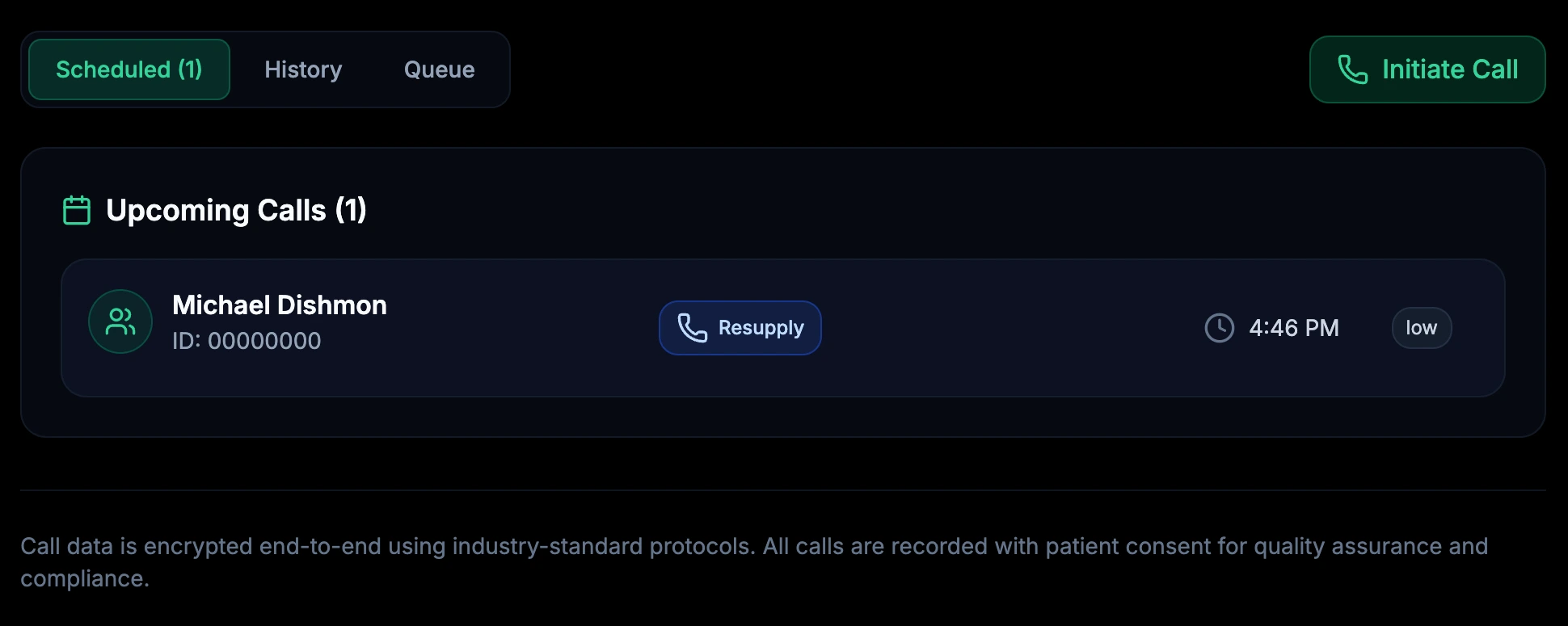
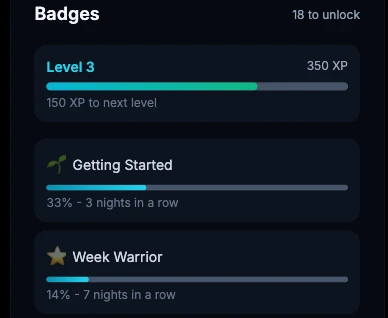
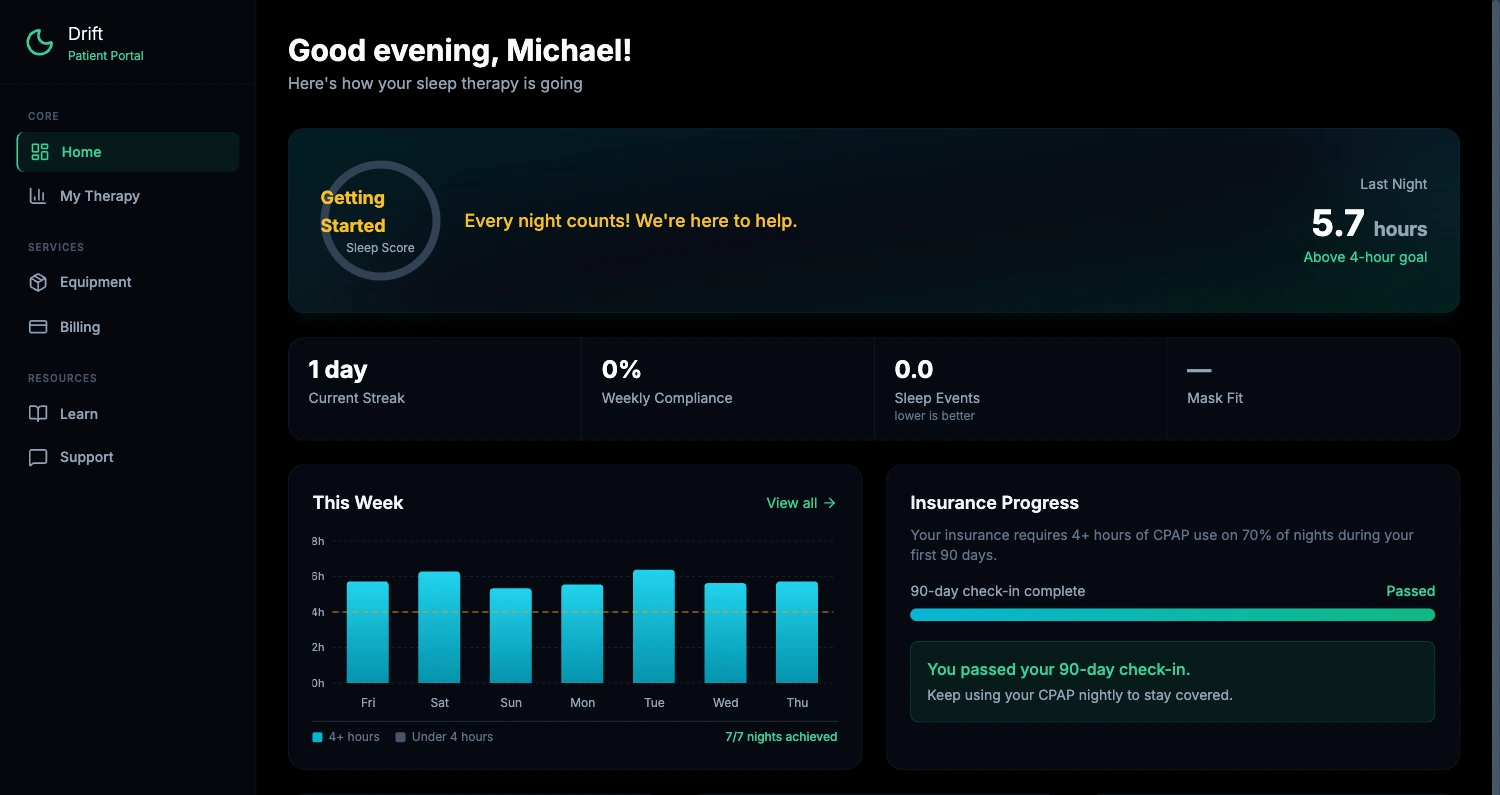
Real production surfaces from the platform I built, framed to keep member identifiers out of the shot. The data on screen is synthetic QA I ran against my own test record. Everything here is mine, top to bottom.
Drift is the platform I’m proudest of.
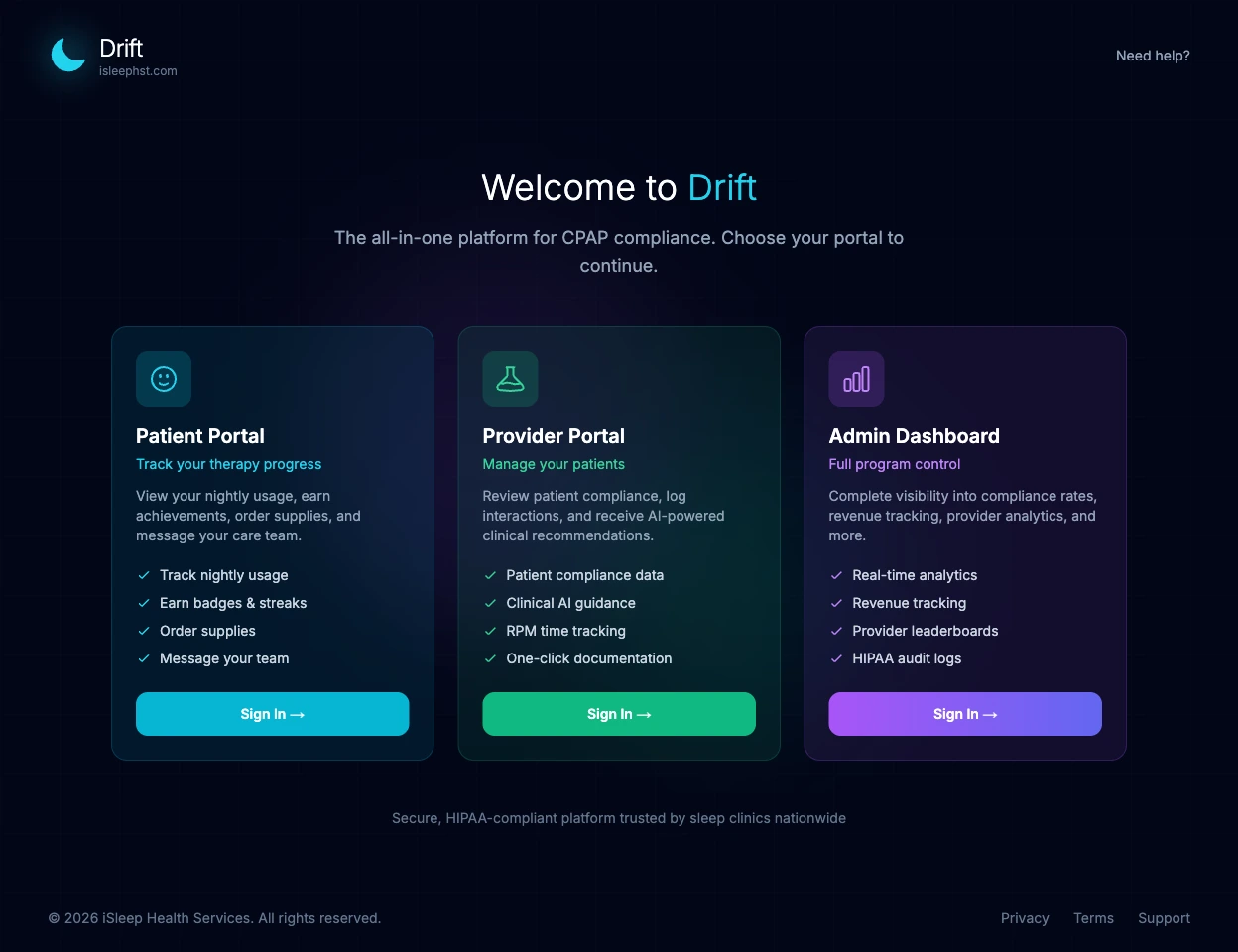
Drift is iSleep’s member and compliance platform, and I built it alone. Members onboard in four steps, watch their own nights against the insurance goal, and reorder supplies through a pipeline that clears eligibility before anything ships. Providers get the same data with a billing layer on top. The screens below come from the QA run, on my own test record. The part I’m proudest of is underneath them.
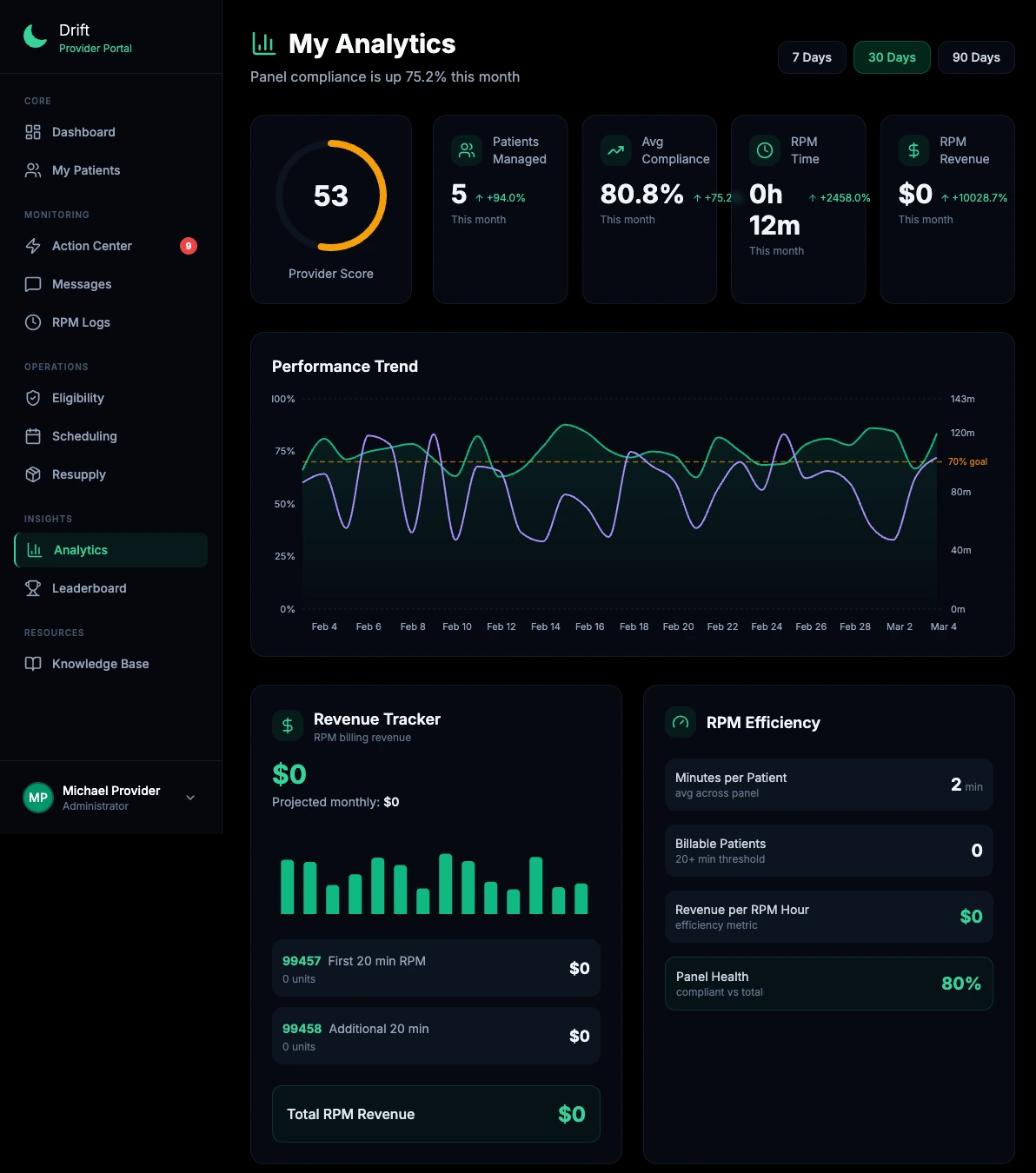
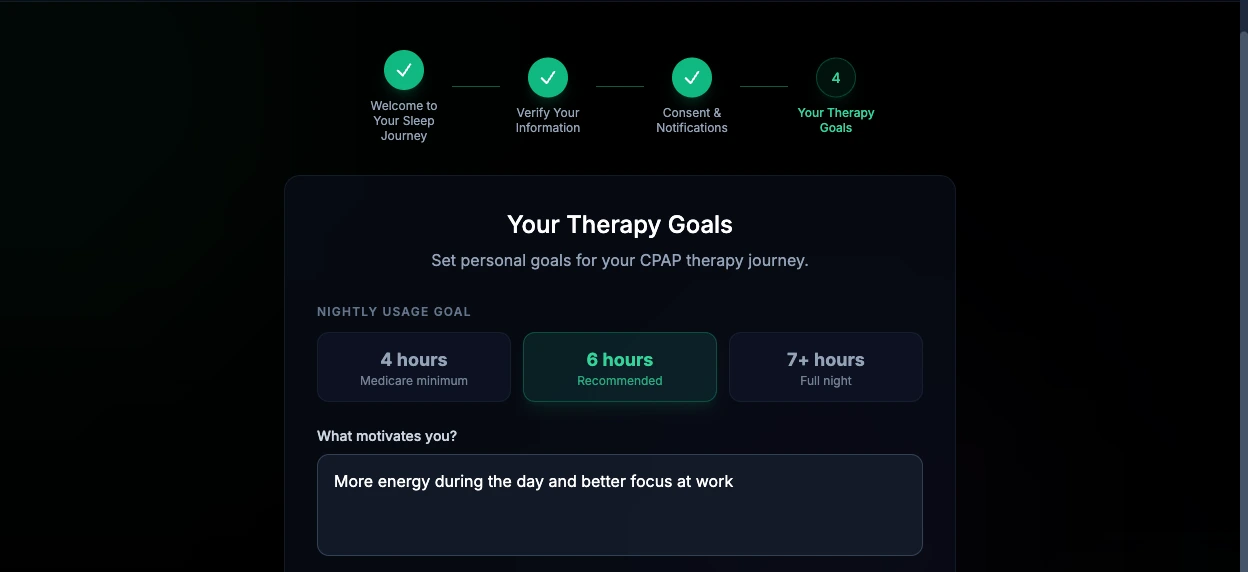
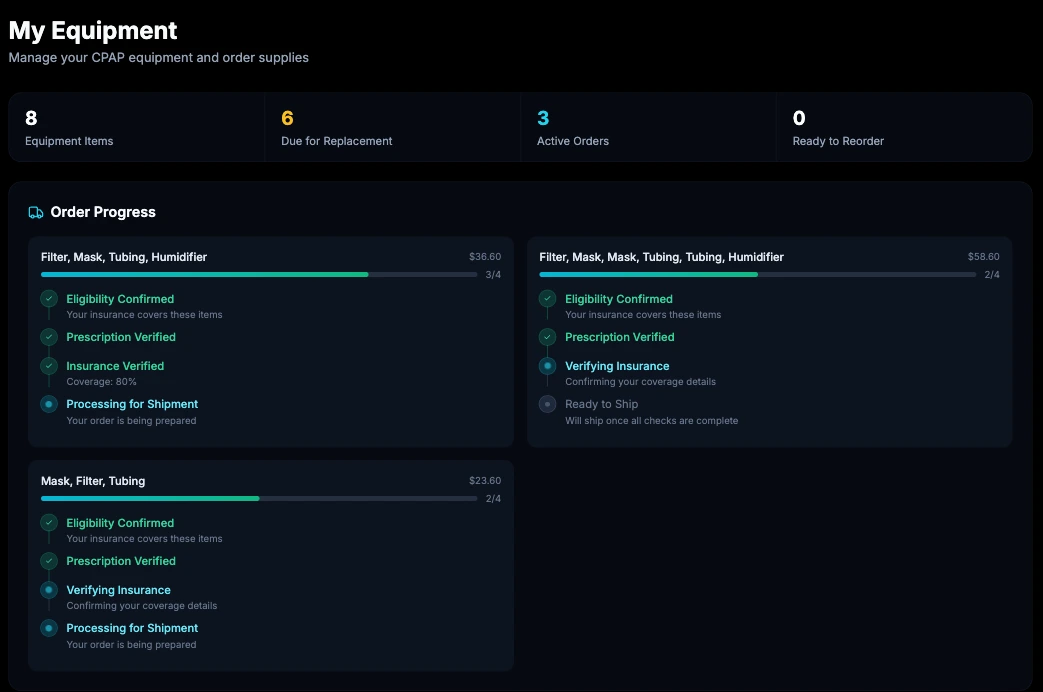
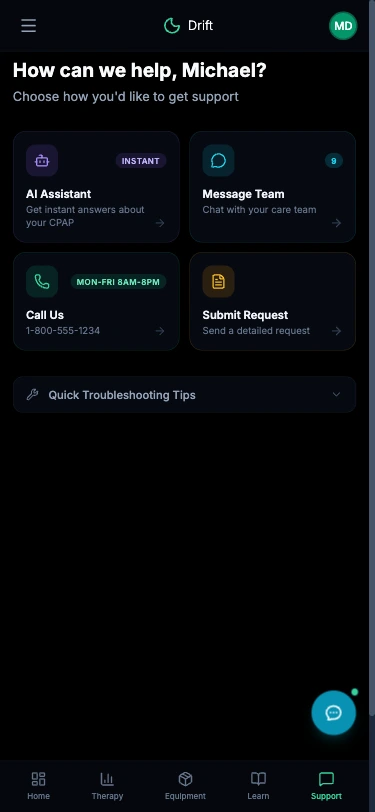
A voice AI that calls insurance companies, and gets it right.
The hardest piece of Drift never shows up in a screenshot. I built an automated calling system on ElevenLabs and Twilio that picks up the phone on its own and works the calls a human used to dread: insurance companies for eligibility, and the durable medical equipment clearinghouse over EDI for resupply. Anyone who has done a CPAP resupply by hand knows EDI is a special kind of pain. I tamed it.
Member data is involved, so I treated security as the actual product. I wrote 5,955 test cases and kept them green, and the platform holds perfect SonarQube and security scores. The voice agent defends against prompt injection, so a caller can’t talk it into doing something it shouldn’t. When a call or an integration fails, the failsafes catch it, the dashboards I built surface the error instead of swallowing it, and the resync logic picks the work back up where it left off. I QA’d it, debugged it, secured it, and hardened it until I’d trust it with my own record. Which I did, over and over, because the agent kept calling me.
Then I turned the design department into software.
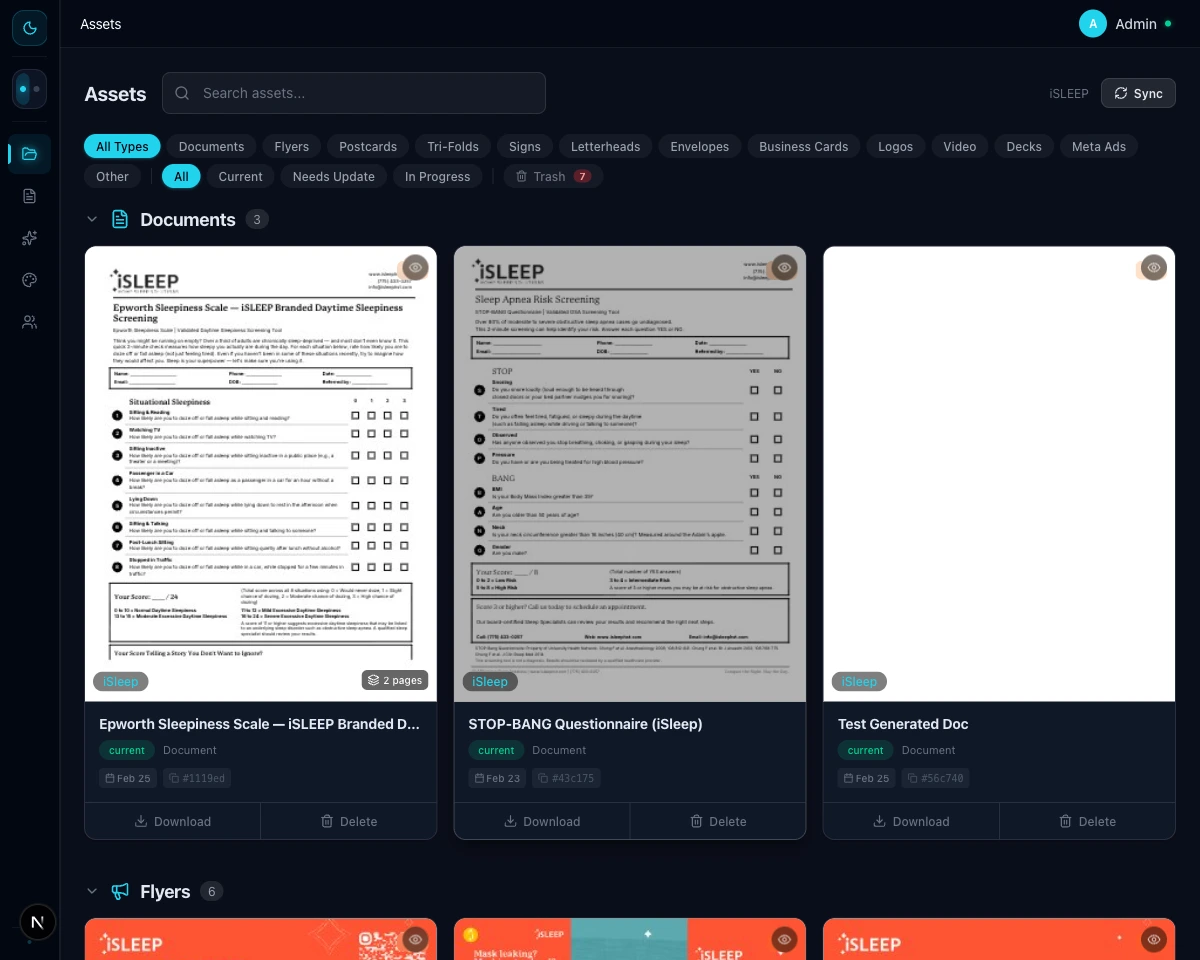
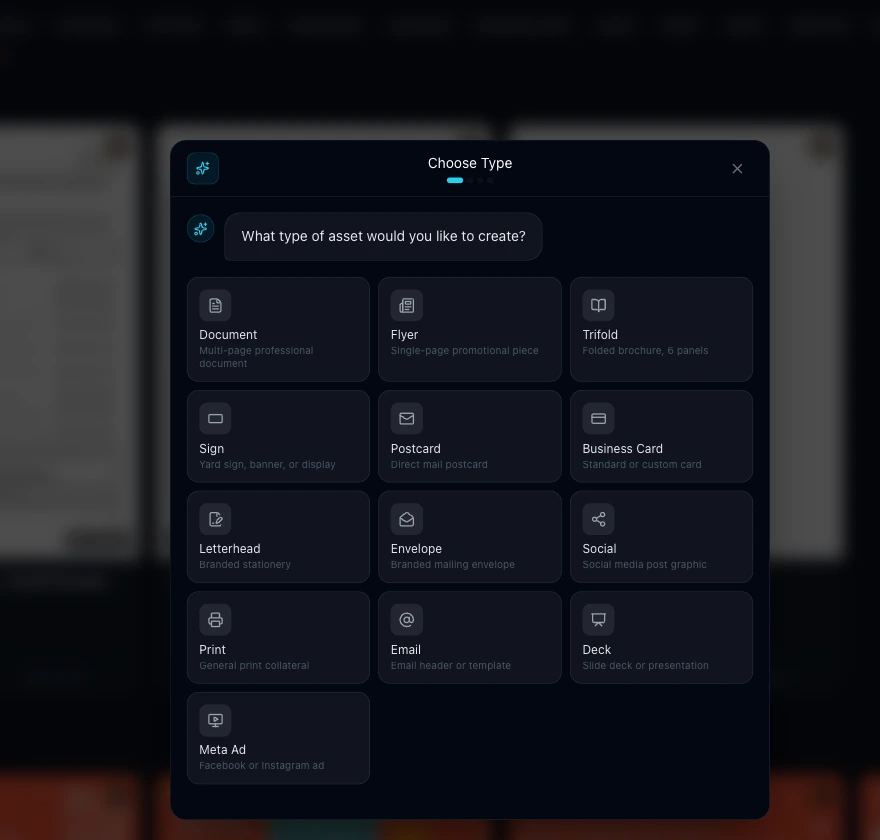
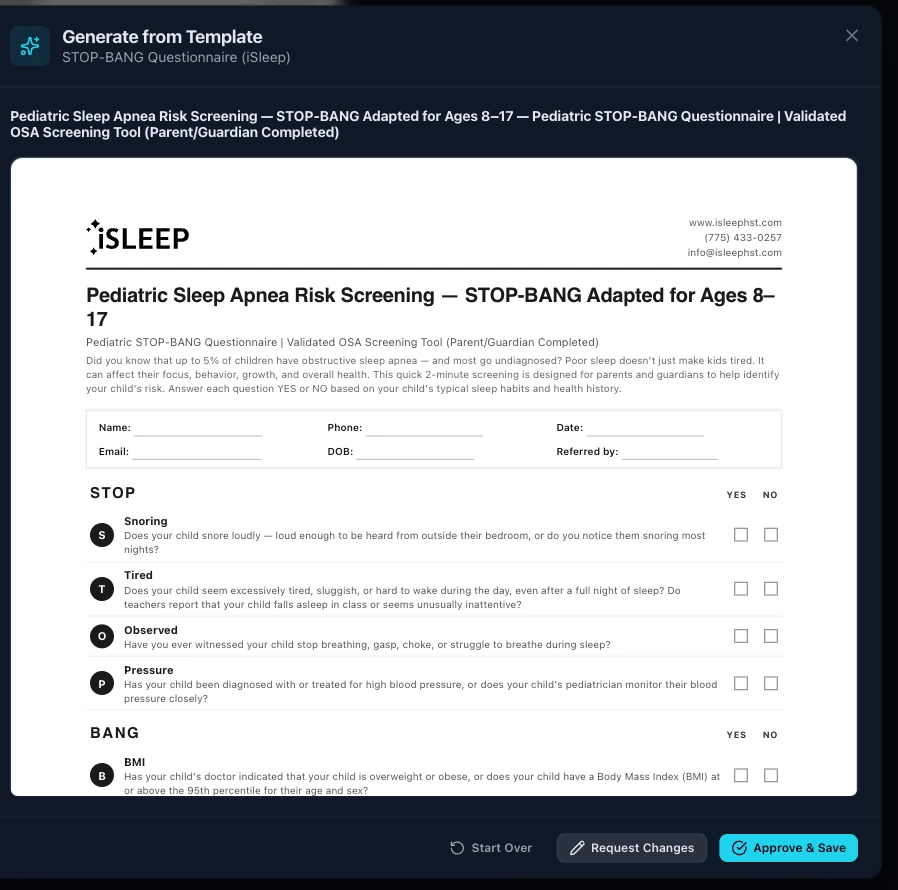
The print program below outgrew shared folders, so I built Moonbase, iSleep’s internal brand hub. Every brand asset organized and versioned, a design request flow any staffer can drive without me, and an AI pipeline I wrote that drafts new collateral from approved templates and outputs print-grade PDF. It syncs both ways with the company’s project tracker, so the design queue runs itself.
I redesigned the whole storefront too.
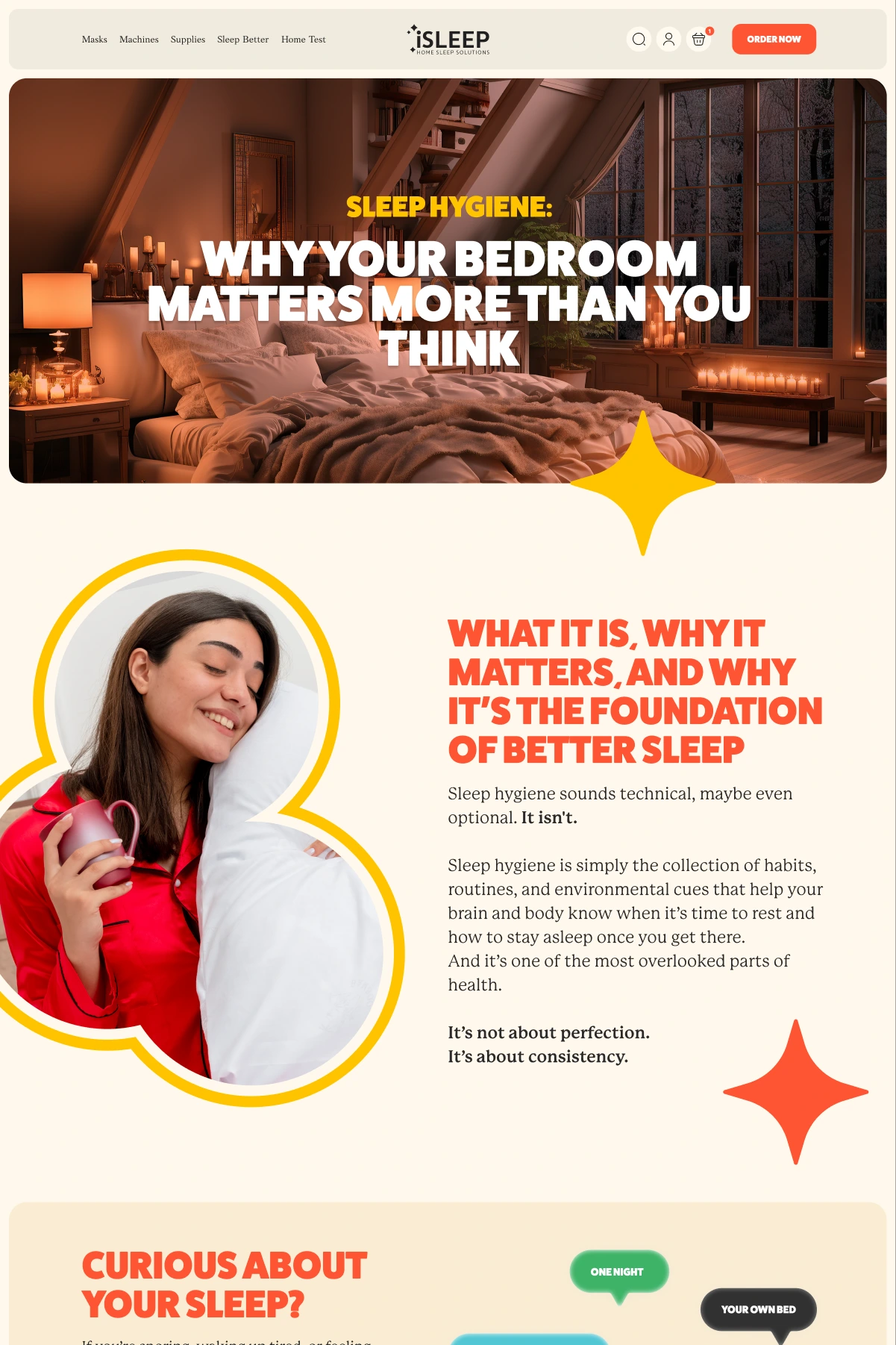
Same year, I redesigned iSleep’s public storefront: a new homepage and a landing page for every front door into care. Sleep apnea, CPAP therapy, insomnia, sleep hygiene. These are my design files, and the AI page system further down carried them to production.
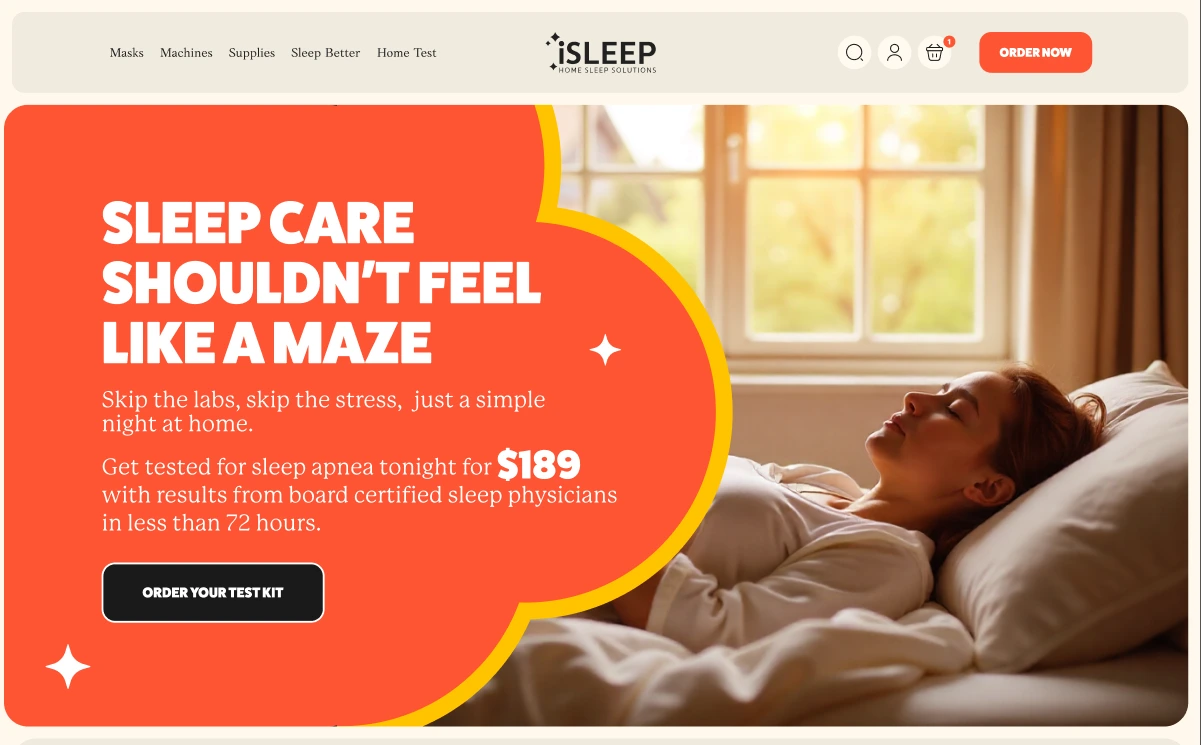
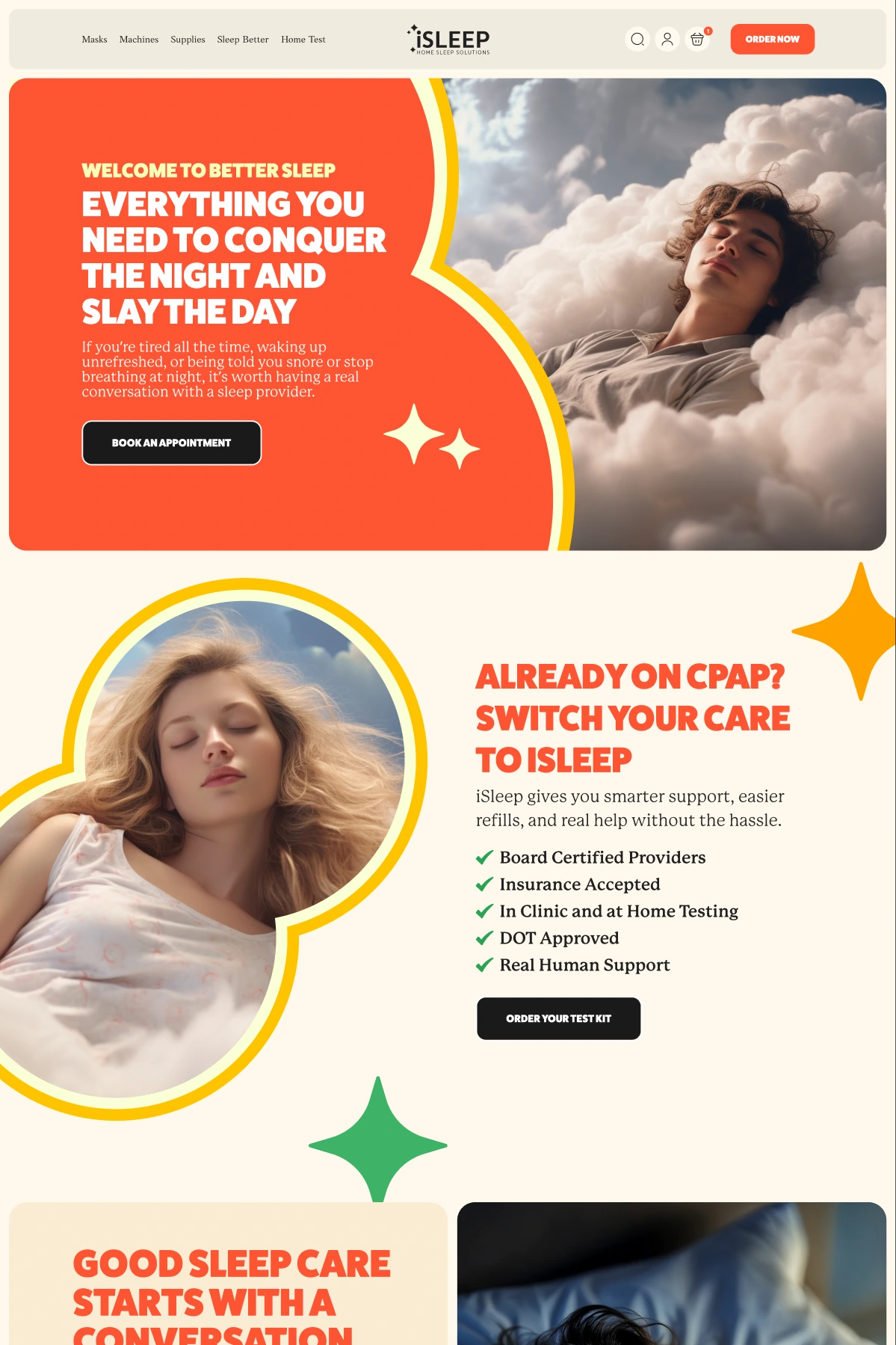
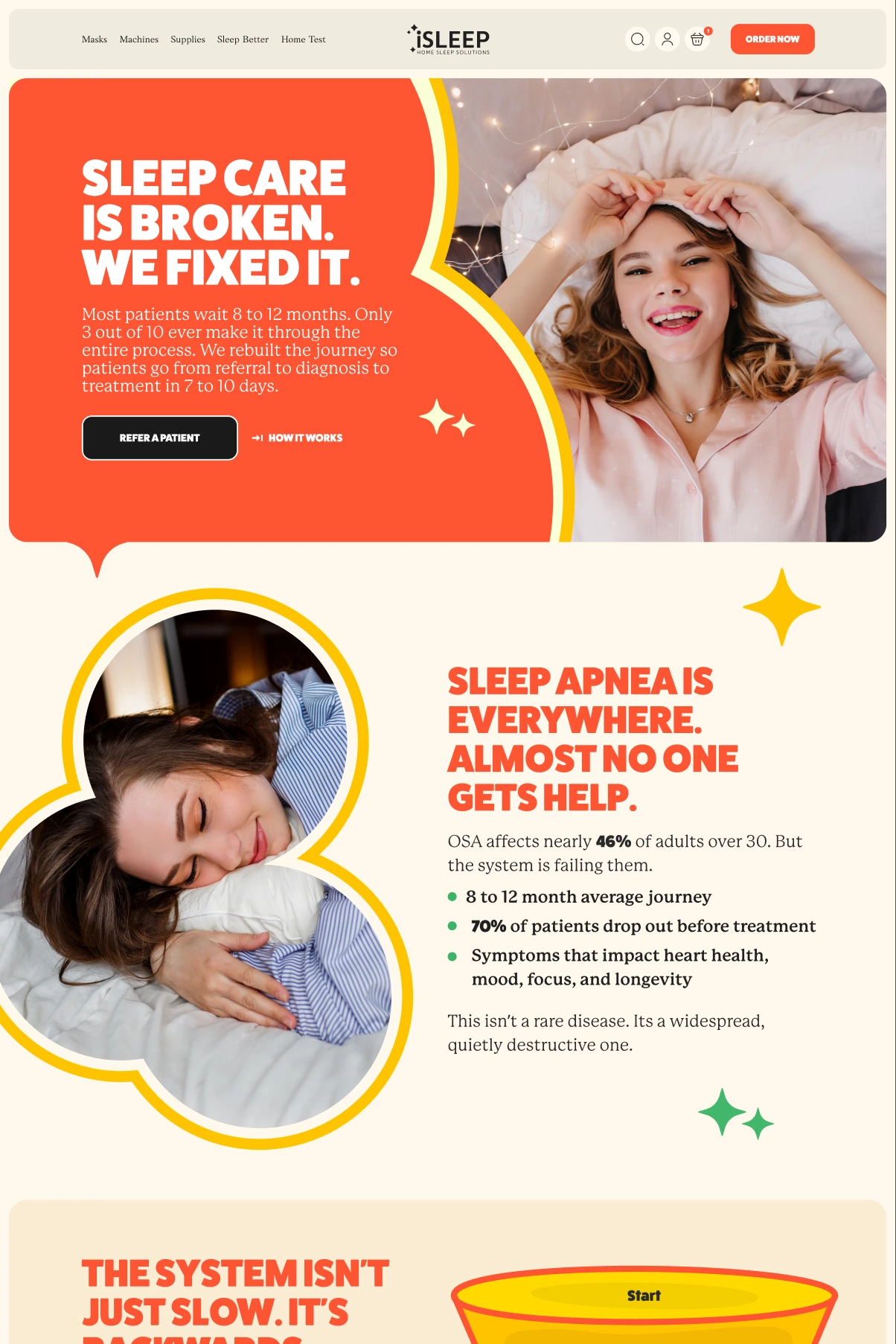
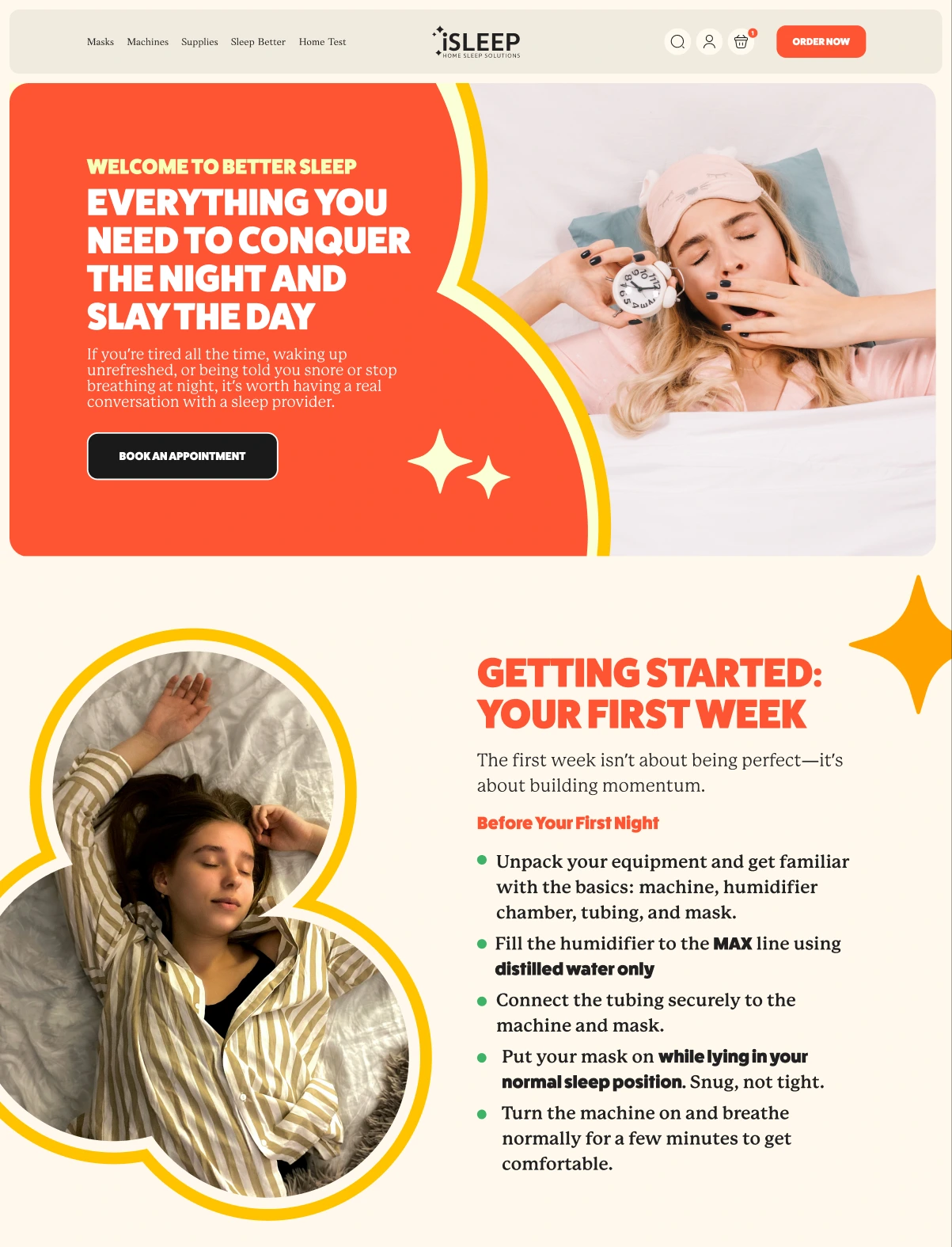
I was also the whole design department.
The same year I ran iSleep’s creative direction across two brands: voice documentation, the uNITE Sleep Institute launch collateral, provider flyers, paid social systems, and the print program below, from brochures to a rodeo program ad to the holiday coffee label. I designed every piece, and every piece shipped.
Drag to scrub / click any piece to read it at full size
And the conference booth, down to the cut lines.
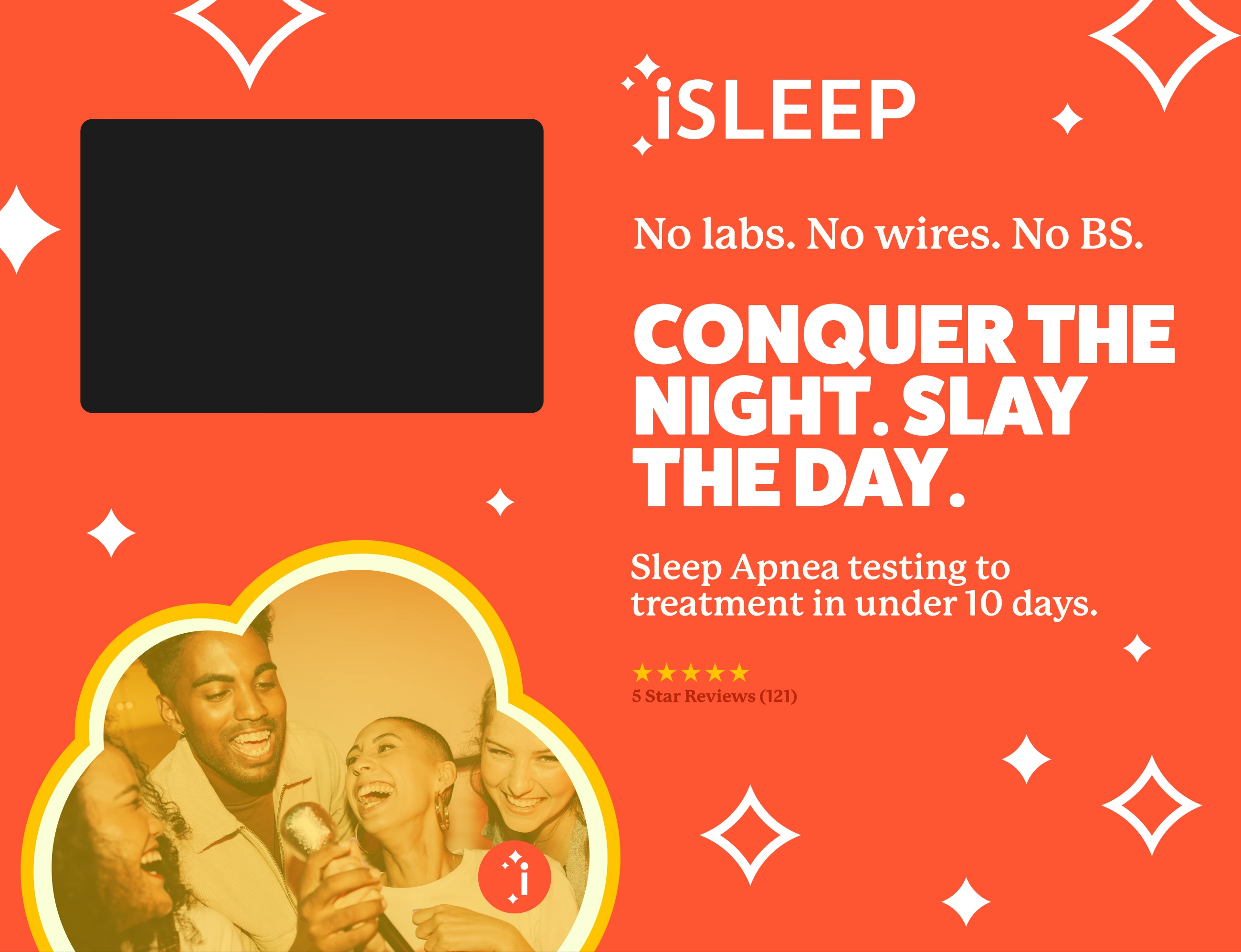
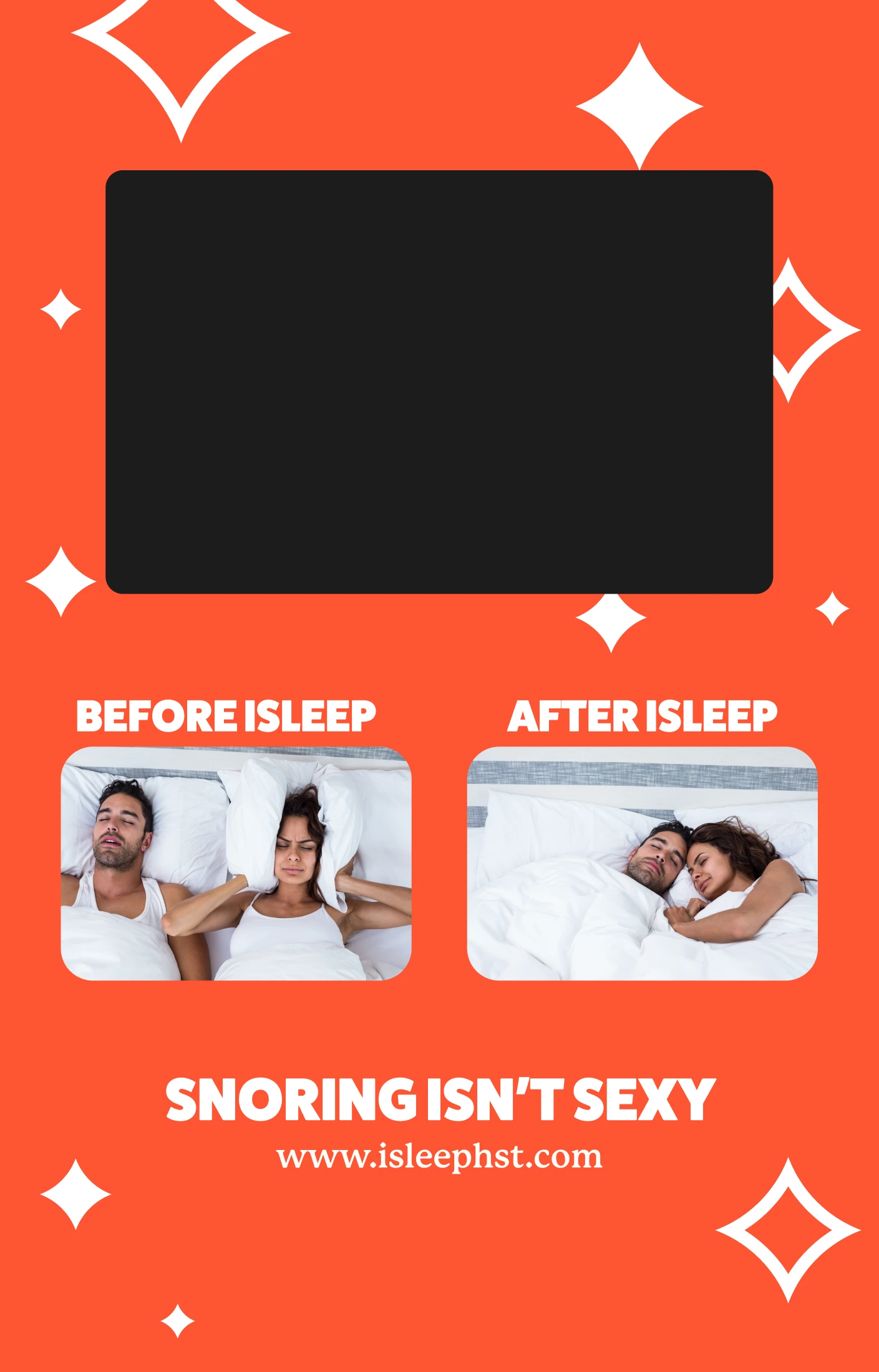
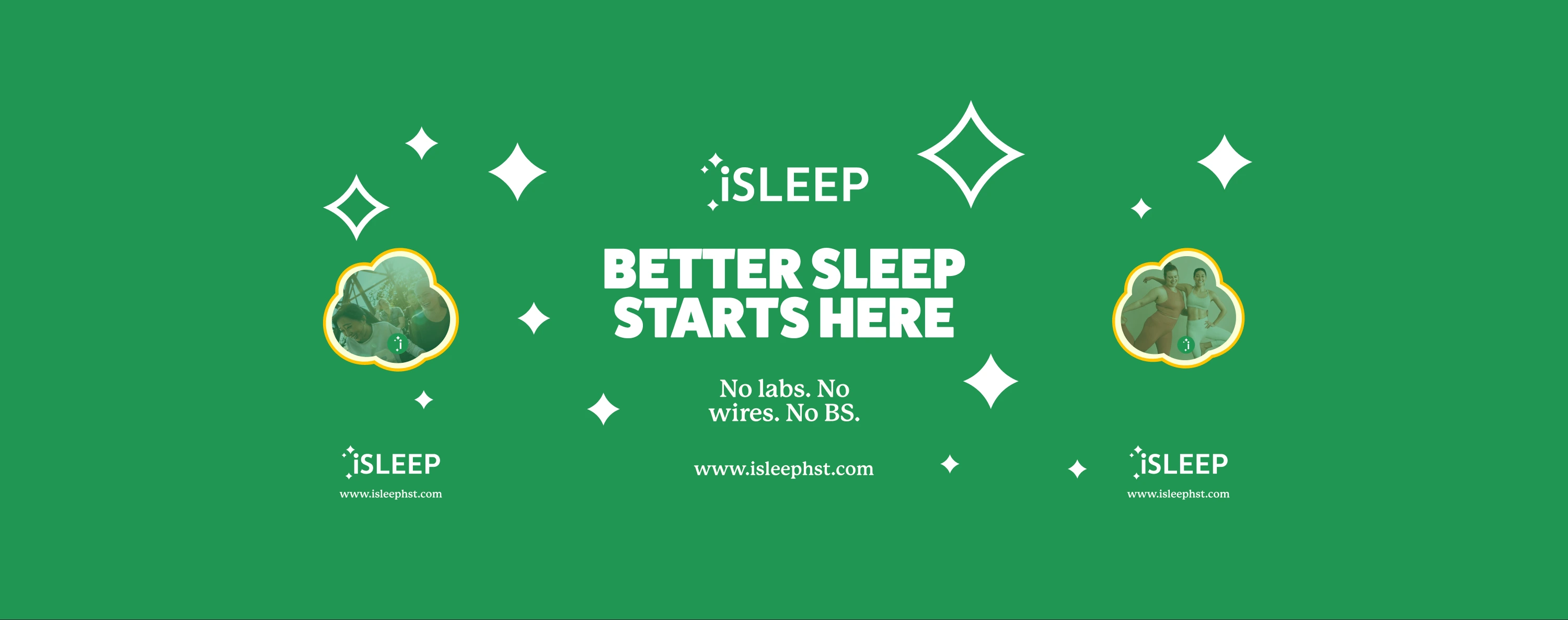
When iSleep booked a trade show, I designed the whole booth: a back wall with a built-in screen, a before-and-after side panel, the header banner, and the counter wrap, all drawn at print dimensions the fabricator could build straight from. The booth TV ran the ad program below.

Plus an AI ad program, script to publish.
Seven concepts I wrote, generated, edited, and published as a running ad program. Still in rotation on the channel, and the reel the booth screen carried. Tap to play.
How one person did all of this.
iSleep is a sleep medicine company with members on one side, clinicians on the other, and insurance rails in between. I came in on brand and creative direction, and the scope grew the way it does when one person can hold the whole map in their head: the storefront, the martech, the analytics, the member platform, the cloud estate. I held all of it.
Drift went from first commit to production in eleven weeks.
That speed only holds because the floor is overbuilt. 5,955 test cases I kept green, encryption on the identifying data, and a log on every administrative read. Compliance work rewards the kind of person who finds that stuff fun. I do, a little bit.
FIELD NOTE / THE BORING PART IS THE POINT
With member data on the line, the goal is for nothing to ever go wrong, and for me to be able to prove it. So I built the boring safeguards first and made them carry real weight. The exciting part of this job is that nothing about it is exciting.
PERFECT SONAR + SECURITY SCORES / PROMPT-INJECTION DEFENSE / FAILSAFES THAT HOLD
I gave them the numbers too.
I took the first analytics console from an empty repo to five live pages in one afternoon, wired straight to commerce and ads data. That proved the appetite, so I built the real one over the next thirty days: a proper warehouse, a Python API, and a live order feed. Same person who wrote the platform wrote the numbers that watch it.
17
data sources
commerce, ads, email, search, support
1
place to look
everything pulled together
live
order feed
updates as it happens
1
Python API
I wrote it, feeds every view
20+
dashboards
exec, product, cohort, live
// first console: one afternoon, empty repo to live · the real suite: thirty days, solo
And then there’s everything else.
The platform and the analytics were the spine, but I was also the brand, the web, and the person keeping iSleep’s cloud safe. One head meant the security work and the print files never waited on a handoff, because they were both me.
Moonbase, what it actually does
The brand hub above. AI-assisted templates, print-grade PDF output that the print vendor takes straight to press, and a queue any staffer can run on their own. I built it in seven weeks.
Storefront page system
An AI page-generation pipeline I wrote, with a library of reusable section templates behind the production landing pages on the storefront. The web redesign above shipped through it.
Their AWS, secured and hardened
I took ownership of iSleep's cloud environment and locked it down: secured it, hardened it, and cleaned up an inherited estate so I actually knew what every piece did and could prove it was safe.
SEO + editorial
Long-form articles for the organic surface, plus an SEO intelligence layer I built to handle interlinking and find the keyword gaps worth chasing.
What this means if you’re thinking about hiring me.
Most companies would split all of this across five or six people and spend real energy keeping them in sync. The brand person waits on the dev, the dev waits on the security review, and everyone is a little fuzzy on what the other person actually shipped. I did the whole thing myself, which meant the voice AI, the compliance floor, the brand, and the cloud all lined up because they came out of one head.
That is the bet you make hiring me. One person who can design the thing, build the thing, secure the thing, and stand behind all of it. I did it for iSleep, in their regulated world, with member data on the line. I’d do it again tomorrow.
Drift in production behind three portals, the analytics suite beside it, a two-brand creative program with a sub-brand launch, and a secured AWS cloud under all of it. One operator on the whole thing. Me.
The Tracking Gap
Q2 2024Browser-only tracking was missing half the story.
NDA client
The Agent Council
Q1 2026Five named agent personas, each modeled on a real exec, all orchestrated through a single Claude Code skill.
NDA client
The Rooted Life
Q1 2026Nutritional therapy brand, course, and clinical platform. Solo build.
The Rooted Life
Want this kind of range on your side?
I take this on as a monthly retainer: the platform, the security, the analytics, and the brand, all handled by the same person. Mostly DTC and healthcare companies in the $2-10M range. It’s just me on the file.